Quality
Inspection requests that close
An inspection system is only useful if requests are raised at the right time, inspected promptly and closed with a record. Here is how we structure it on site.
- Author
- [Insert author]
- Published
- [Insert date]
- Reading time
- 2 min
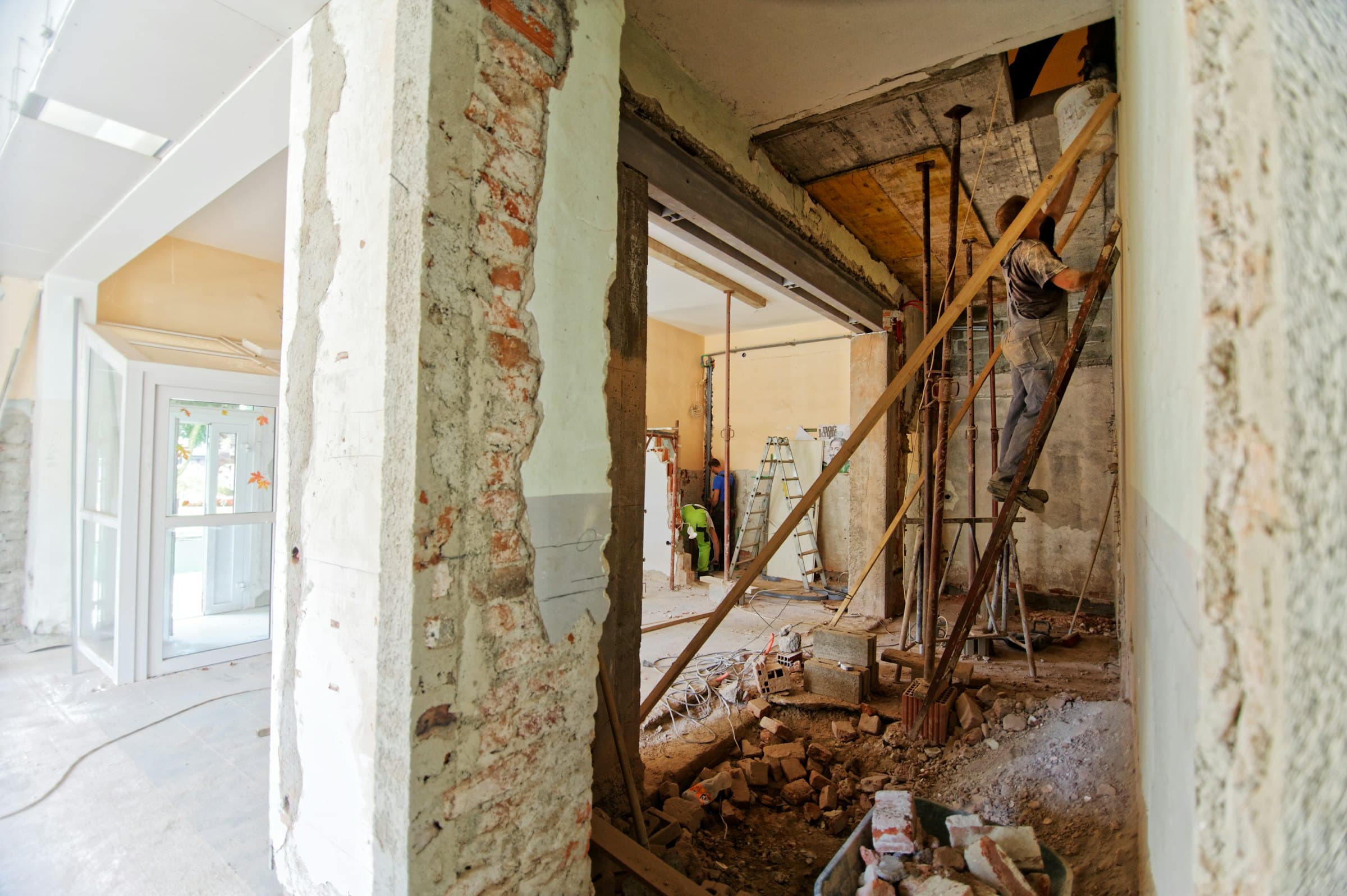
Inspection requests are the point at which quality stops being a statement and becomes a record. They are also one of the easiest systems on a site to let slip, because every delayed inspection holds up the next activity.
Hold points are agreed before work starts
Each package has an inspection and test plan that defines where work must stop for inspection. These hold points are agreed with the design team and client before the package begins, so nobody discovers them mid-pour.
Requests are raised ahead, not on the day
Requests are raised with enough notice for the right inspector to attend. The look-ahead programme shows upcoming hold points so inspections are planned into the week rather than squeezed into it.
- Reference to the drawing and specification clause
- Location and extent of the work
- Supporting records — material approvals, test results
- Inspector and witness attendance confirmed
Non-conformance is recorded, not argued
When work does not meet the standard, it is recorded as a non-conformance with a corrective action and an owner. The record is closed only when the corrected work has been re-inspected.
If it was not inspected and recorded, it was not approved.